The Definitive Guide to the German Shepherd Breed
The German Shepherd is one of the most recognizable and respected dog breeds in the world. Known for intelligence, loyalty, versatility, and strength, German Shepherds excel as family companions, working dogs, and service animals across countless roles.
Despite their popularity, many people misunderstand what truly defines a German Shepherd. Beyond their confident appearance and protective instincts, this breed has specific traits, needs, and characteristics that every owner should understand.
This comprehensive guide explains what a German Shepherd is, where the breed originated, what makes it unique, and whether a German Shepherd is the right fit for your lifestyle.
Origins of the German Shepherd Breed
The German Shepherd originated in late 19th-century Germany. The breed was developed by Captain Max von Stephanitz, who aimed to create the ideal herding dog—one that combined intelligence, strength, obedience, and endurance.
Early German Shepherds were bred to:
- Herd and protect livestock
- Work closely with humans
- Perform demanding physical tasks
Over time, their exceptional work ethic and trainability made them ideal for roles beyond herding, including police work, military service, search and rescue, and disability assistance.
What Makes the German Shepherd Unique?
German Shepherds stand apart due to their rare combination of mental intelligence and physical capability.
Key defining traits include:
- High intelligence and problem-solving ability
- Strong loyalty and protective instincts
- Athletic, functional build
- Versatility across environments and roles
Few breeds can transition as seamlessly between family companion and professional working dog.
This adaptability is explored further in The German Shepherd’s Versatility: From Herding to Search and Rescue.
German Shepherd Size and Physical Structure
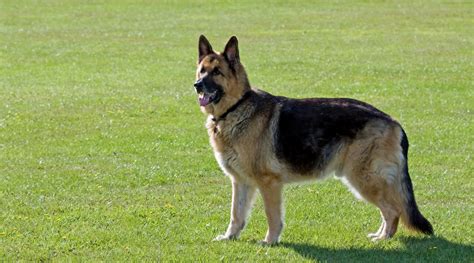
German Shepherds are large, athletic dogs built for endurance and efficiency.
Typical Size
- Males: 65–90 pounds
- Females: 50–75 pounds
Physical Characteristics
- Strong, muscular body
- Deep chest and powerful hindquarters
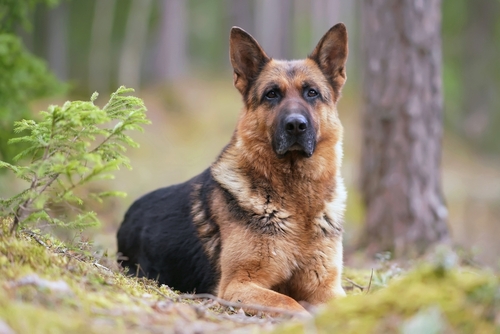
- Erect ears and alert expression
- Dense double coat for weather resistance
Their structure reflects their working-dog heritage—designed for stamina, agility, and strength rather than extremes.
Coat Types and Color Variations
German Shepherds have a double coat that sheds year-round, with heavier seasonal shedding.
Common coat colors include:
- Black and tan
- Black and red
- Sable
- Solid black
Coat color does not determine temperament or intelligence. Behavior is influenced by genetics, training, and environment—not appearance.
Grooming needs are covered in depth in Top 10 Must-Have Items for German Shepherds.
German Shepherd Temperament Overview
German Shepherds are known for their confident, loyal, and protective nature.
Typical temperament traits include:
- Strong attachment to their family
- Natural alertness and watchfulness
- Confidence in new environments when properly socialized
- Willingness to work and learn
While protective, well-bred German Shepherds are not aggressive by default. Stability and predictability come from ethical breeding, early socialization, and consistent training.
Their protective instincts are explored further in Why Are German Shepherds So Protective? Decoding Their Guard Dog Instincts.
Intelligence and Trainability
German Shepherds rank among the most intelligent dog breeds.
They are known for:
- Rapid learning ability
- Strong focus and drive
- Responsiveness to structured training
Because of this intelligence, they require:
- Mental stimulation
- Clear leadership
- Purposeful activities
Without proper engagement, boredom can lead to destructive or anxious behaviors.
Mental enrichment ideas are discussed in The Best Mental Stimulation Activities for German Shepherds.
Energy Levels and Exercise Needs
German Shepherds are high-energy dogs that thrive on activity.
They benefit from:
- Daily structured exercise
- Task-oriented activities
- Training sessions combined with physical movement
Activities such as hiking, tracking, obedience training, and scent work are ideal.
More activity ideas can be found in The Top Activities German Shepherds Love: From Hiking to Herding.
German Shepherds as Family Dogs
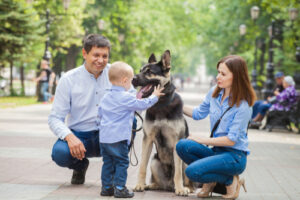
German Shepherds can be excellent family companions when their needs are met.
They are typically:
- Loyal and devoted to household members
- Gentle with children when raised together
- Protective without being overly reactive
However, they are best suited for owners who can provide:
- Time for training and exercise
- Consistent structure
- Ongoing mental engagement
They are not ideal for households seeking a low-energy or hands-off dog.
Health and Lifespan Considerations
The average German Shepherd lifespan is 9–13 years.
Common health considerations include:
- Hip and elbow dysplasia
- Digestive sensitivity
- Degenerative myelopathy
- Joint stress from improper exercise or weight
Responsible breeding, proper nutrition, and regular veterinary care play a major role in long-term health.
Special care considerations are discussed in Understanding the Needs of German Shepherds with Disabilities.
Grooming and Maintenance
German Shepherds require regular grooming due to their dense double coat.
Basic care includes:
- Weekly brushing (more during shedding seasons)
- Routine nail trimming
- Ear and dental care
Consistent grooming supports coat health and helps detect skin or joint issues early.
Is a German Shepherd Right for You?
A German Shepherd may be an excellent fit if you:
- Want an intelligent, trainable dog
- Enjoy active lifestyles
- Value loyalty and protection
- Are willing to invest time in training
They may not be ideal if you:
- Are frequently away from home
- Prefer a low-energy breed
- Want a dog with minimal training needs
Honest lifestyle evaluation is essential before choosing this breed.
German Shepherds in Modern Life
Today, German Shepherds continue to excel in:
- Police and military work
- Search and rescue operations
- Service and therapy roles
- Active family homes
Their reliability, intelligence, and versatility have made them one of the most trusted breeds worldwide.
Final Thoughts
The German Shepherd is more than a powerful working dog—it is a breed defined by partnership, intelligence, and devotion. When properly bred, trained, and cared for, German Shepherds become loyal companions capable of extraordinary contributions both at home and in service roles.
Understanding the breed’s history, temperament, and needs is the foundation of responsible ownership. Education comes first—and this guide is the starting point.
📘 Continue Exploring German Shepherd Ownership
→ What Is a German Shepherd?
→ German Shepherd Temperament & Personality
→ German Shepherd Training Fundamentals
→ German Shepherd Socialization & Early Development
→ Preparing Your Home for a German Shepherd Puppy