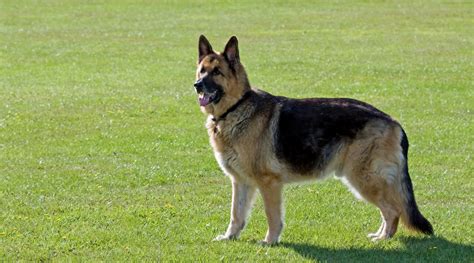
The German Shepherd is one of the most respected dog breeds in the world—not only for intelligence and versatility, but for temperament. Understanding the German Shepherd’s personality is essential for responsible ownership, because this breed’s behavior is shaped by genetics, structure, training, and daily interaction.
This guide explains the core temperament traits of German Shepherds, how those traits appear in family and working environments, and what owners should realistically expect as their dog matures.
For a foundational overview of the breed, start here:
👉 What Is a German Shepherd?
Core Temperament Traits of the German Shepherd
German Shepherds are known for a balanced blend of loyalty, intelligence, and alertness. When properly bred and raised, their temperament is stable, predictable, and adaptable.
Common temperament characteristics include:
- Strong loyalty to their household
- High intelligence and problem-solving ability
- Natural alertness and environmental awareness
- Confidence when socialized early
- Protective instincts without unnecessary aggression
These traits originate from the breed’s working heritage. German Shepherds were developed to make decisions independently while remaining responsive to human leadership.
Loyalty and Bonding With Family
German Shepherds are deeply people-oriented dogs. They form strong emotional bonds with their families and often choose one primary handler while remaining affectionate with others.
This loyalty often appears as:
- Staying close to family members
- Monitoring household activity
- Responding strongly to routine and consistency
Because of this attachment, German Shepherds do not thrive when left isolated or under-stimulated for long periods.
For owners planning early routines and boundaries, see:
👉 Preparing Your Home for a German Shepherd Puppy
Intelligence and Trainability
German Shepherds are among the most intelligent dog breeds. Their trainability is one of their greatest strengths—but only when structure is present.
Temperament traits tied to intelligence include:
- Rapid learning of commands
- Strong memory retention
- Sensitivity to inconsistency or unclear cues
Without guidance, intelligence can turn into frustration or unwanted behaviors. With consistent leadership, German Shepherds excel in obedience, service work, detection, herding, and protection roles.
Learn more about foundational skills here:
👉 German Shepherd Training Fundamentals
Protective Instincts Explained
German Shepherds are naturally protective, but protection does not equal aggression.
Healthy protective temperament includes:
- Alert barking rather than reactive behavior
- Calm observation of unfamiliar situations
- Willingness to position themselves between family and perceived threats
Poor socialization or fear-based training can cause guarding instincts to become unstable. Responsible ownership focuses on confidence-building, not intimidation.
For a deeper explanation of protective behavior, read:
👉 Why Are German Shepherds So Protective?
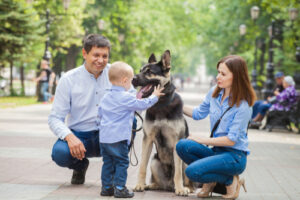
Temperament With Children
German Shepherds can be excellent family dogs when properly socialized.
They are often:
- Patient with respectful children
- Protective without being rough
- Emotionally aware of household dynamics
Supervision is essential, especially with younger children who may not yet understand appropriate boundaries. German Shepherds are powerful, athletic dogs, and even well-intentioned play can become overwhelming if interactions are not guided.
Healthy child–dog relationships are built through:
- Teaching children respectful handling and calm behavior
- Avoiding rough play, chasing, or teasing
- Encouraging structured interaction rather than constant stimulation
- Providing the dog with a safe space away from activity when needed
German Shepherds are highly perceptive and often respond to children with surprising gentleness when mutual respect is present. However, they should never be expected to tolerate improper handling or unpredictable behavior.
Early socialization plays a critical role in shaping how German Shepherds respond to children. Puppies raised with calm exposure to kids, varied household movement, and positive reinforcement are more likely to grow into balanced, patient family companions.
For guidance on early exposure and boundary-building, see:
👉 German Shepherd Socialization & Early Development
When supervision, education, and structure are combined, German Shepherds can form strong, protective, and respectful bonds with children—making them devoted family members rather than just household pets.
Temperament Around Other Dogs and Pets
German Shepherds can coexist well with other dogs and household pets when socialization is handled correctly. Their natural confidence and awareness mean they often assess situations carefully before engaging.
Well-socialized German Shepherds typically:
- Respect social boundaries
- Respond appropriately to canine body language
- Adapt well to multi-dog households
Early, controlled introductions are essential. Puppies that are exposed to calm, well-mannered dogs during early development are more likely to grow into socially balanced adults.
For structured guidance on early exposure, see:
👉 German Shepherd Socialization & Early Development
Energy Levels and Mental Drive
German Shepherds are not just physically active—they are mentally driven. Their temperament includes a strong desire for purpose and engagement.
Typical energy traits include:
- High motivation for tasks and activities
- Strong focus when mentally engaged
- Restlessness when under-stimulated
A lack of mental enrichment often leads to behaviors such as pacing, vocalization, or destructive habits. This is not misbehavior—it is unmet drive.
Owners should plan for:
- Daily structured exercise
- Problem-solving activities
- Training that challenges both mind and body
A full breakdown of activity needs is covered here:
👉 The Top Activities German Shepherds Love
Emotional Sensitivity and Environmental Awareness
Despite their confident appearance, German Shepherds are emotionally perceptive dogs. They are highly attuned to their environment and to human emotional cues.
This sensitivity means they:
- React strongly to tone of voice
- Notice changes in routine quickly
- Respond best to calm, consistent leadership
Harsh corrections or unpredictable handling can undermine confidence. Positive reinforcement and clarity build trust far more effectively with this breed.
Vocalization and Communication Style
German Shepherds are communicative dogs. While not excessive barkers by nature, they will vocalize when:
- Alerting to unfamiliar activity
- Expressing excitement or frustration
- Seeking engagement
Excessive barking is typically linked to boredom, anxiety, or insufficient exercise rather than aggression.
Understanding the cause of vocal behavior is key to addressing it responsibly.
How Genetics Influence Temperament
Temperament begins with genetics. Well-bred German Shepherds are more likely to display:
- Stable nerve strength
- Predictable behavior patterns
- Strong adaptability
Ethical breeding programs prioritize temperament alongside structure and health, reducing the risk of fear-based or reactive behaviors.
To understand how breeding impacts behavior, read:
👉 Understanding Responsible Dog Breeding
Is the German Shepherd the Right Fit for You?
A German Shepherd may be an excellent choice if you:
- Want an intelligent, engaged companion
- Enjoy training and structured interaction
- Can provide daily mental and physical activity
- Value loyalty and partnership
They may not be ideal if you:
- Prefer a low-energy or independent breed
- Are frequently away from home
- Cannot commit to training and engagement
Honest lifestyle evaluation is essential before choosing any dog, but especially a breed as intelligent and driven as the German Shepherd. This breed thrives in environments where expectations are clear, routines are consistent, and engagement is part of daily life.
German Shepherds do best with owners who:
- View training as an ongoing relationship, not a one-time task
- Can provide structure through routine and leadership
- Enjoy problem-solving, learning, and purposeful activity
- Are comfortable managing a large, athletic dog
Without sufficient stimulation, German Shepherds may develop frustration-related behaviors such as excessive vocalization, restlessness, or destructiveness—not because they are difficult, but because their needs are unmet.
It is also important to consider long-term commitment. German Shepherds form deep bonds with their families and do not adapt well to frequent rehoming, inconsistent handling, or prolonged isolation. Stability, consistency, and involvement are key to their emotional wellbeing.
When matched with the right lifestyle, German Shepherds are among the most loyal, capable, and rewarding companions a person can have. When mismatched, both the dog and owner may struggle unnecessarily.
Choosing a German Shepherd should be a thoughtful decision based on readiness—not appearance or popularity. When the fit is right, the partnership is exceptional.
Temperament Across Life Stages
German Shepherd temperament evolves noticeably as the dog matures. Understanding these stages helps owners set realistic expectations and adjust care appropriately.
Puppy Stage
German Shepherd puppies are curious, energetic, and impressionable. Early experiences during this phase strongly influence confidence, social balance, and stress tolerance later in life.
Adolescent Stage
Adolescence often brings boundary-testing and increased independence. This is normal and temporary, but it requires consistency and patience. Training during this phase reinforces trust and structure.
Adult Stage
Well-raised adult German Shepherds typically settle into calm, reliable companions. They remain alert and engaged but are emotionally stable when their needs are met.
Senior Stage
As they age, German Shepherds often become more relaxed while retaining strong loyalty and awareness. Mental engagement remains important even as physical activity is adjusted.
The Role of Structure in Temperament Stability
Structure is one of the most important factors in shaping German Shepherd behavior.
A structured environment includes:
- Predictable routines
- Clear boundaries
- Consistent expectations
- Calm, confident leadership
Structure does not suppress personality—it supports it. Dogs raised with clarity develop confidence because they understand what is expected and where they fit.
For guidance on creating early structure, see:
👉 Preparing Your Home for a German Shepherd Puppy
Common Temperament Challenges and Prevention
Most temperament-related challenges in German Shepherds are preventable.
Common issues include:
- Separation anxiety from lack of gradual independence
- Reactivity caused by poor socialization
- Destructive behavior due to under-stimulation
Preventative strategies include:
- Early social exposure
- Regular training and enrichment
- Balanced exercise routines
- Reward-based communication
When needs are met consistently, German Shepherds are among the most stable and reliable breeds.
Final Thoughts
German Shepherd temperament is defined by intelligence, loyalty, confidence, and adaptability. When properly bred, trained, and integrated into daily life, they become deeply bonded companions capable of extraordinary partnership.
Understanding temperament allows owners to build environments where German Shepherds thrive emotionally and behaviorally—not just physically.
Education, consistency, and engagement are the foundations of success with this breed.
📘 Continue Learning About the German Shepherd Breed
Explore more foundational guides to support responsible ownership:
→ What Is a German Shepherd?
→ German Shepherd Training Fundamentals
→ German Shepherd Socialization & Early Development
→ The Top Activities German Shepherds Love
→ Understanding Responsible Dog Breeding