German Shepherds are powerful, intelligent working dogs—but their health and wellbeing depend on proactive care. A solid routine built around nutrition, joint protection, grooming, exercise, and preventative veterinary care helps German Shepherds stay comfortable, confident, and active through every life stage.
This guide covers the essentials: common health risks, how to reduce them, what daily care should look like, and when to involve your vet.
If you’re new to the breed, start here first:
👉 What Is a German Shepherd?
Quick Snapshot: What German Shepherds Need Most
German Shepherds thrive when you prioritize:
- Lean body condition (weight control protects joints)
- Daily mental + physical exercise (prevents stress behaviors)
- Joint-supportive nutrition (especially during growth)
- Consistent grooming + ear care (coats shed heavily)
- Early training + socialization (supports stable temperament)
- Routine vet care + screening (catches issues early)
Related foundational guides:
1) Common Health Concerns in German Shepherds
German Shepherds can live long, healthy lives—especially with ethical breeding and smart care—but they are prone to several issues.
Hip & Elbow Dysplasia
These developmental joint conditions can cause pain, stiffness, and arthritis over time.
Reduce risk by:
- Keeping your dog lean
- Avoiding repetitive jumping/high-impact exercise during puppy growth
- Feeding a large-breed appropriate diet
- Using controlled exercise instead of nonstop hard running
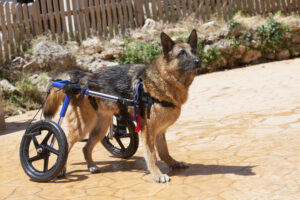
Degenerative Myelopathy (DM)
A progressive neurological condition that affects the hind end later in life.
What helps:
- Early detection (genetic screening can be discussed with your vet)
- Maintaining strength and mobility through safe conditioning
- Supportive care and home modifications if it develops
Bloat (GDV)
A potentially life-threatening emergency where the stomach twists.
Risk-reduction habits:
- Feed 2–3 smaller meals daily instead of one large meal
- Avoid heavy exercise right before/after meals
- Use calm mealtimes (fast eating can increase risk)
Allergies & Skin Issues
German Shepherds can struggle with environmental or food sensitivities.
Early signs:
- Itchy paws, ear irritation, recurring rashes, hot spots
Ear Infections
Their ears can trap moisture and debris—especially with active outdoor lifestyles.
Prevention:
- Regular ear checks
- Dry ears after swimming/baths
- Vet-approved ear cleaner when needed
2) Preventative Vet Care Schedule
Preventative care is where most long-term health wins happen.
Core Routine
- Annual or twice-yearly wellness exams (many owners do twice yearly after age 7)
- Vaccine plan based on lifestyle and local risk
- Parasite prevention: heartworm, flea, tick
- Dental check-ins (more important than most owners realize)
Puppy owners: your vet may recommend more frequent visits early.
For the transition period, see:
👉 Preparing Your Home for a German Shepherd Puppy
3) Nutrition: Feeding for Strength, Joints, and Longevity
German Shepherds are athletic and muscular, but they can be prone to joint stress and digestive sensitivity.
What to Prioritize
- High-quality animal protein
- Moderate fat (energy without excess weight gain)
- Joint support (glucosamine/chondroitin or vet-recommended alternatives)
- Omega-3s for skin, coat, inflammation support
Portion Control Matters
The #1 controllable health factor is maintaining a lean body condition.
Helpful check:
You should feel ribs with light pressure and see a visible waistline from above.
4) Exercise & Mental Stimulation
German Shepherds need structured outlets or they can develop stress behaviors.
Daily Targets (general guideline)
- 1–2 hours daily total activity (split across the day)
- A mix of:
- walks + training + play
- scent games / puzzles
- structured tug/fetch with rules
- hiking or working-style activities (for adults)
If you haven’t already, connect this guide to your behavior and training pillars:
👉 German Shepherd Training Fundamentals
👉 German Shepherd Socialization & Early Development
5) Grooming & Coat Care
German Shepherds shed—often heavily—and their double coat needs consistent maintenance.
Weekly Grooming Basics
- Brush 2–4x/week, daily during seasonal shedding
- Bathe as needed (overbathing can irritate skin)
- Nail trims every 2–4 weeks
- Regular ear checks
- Routine dental care
If your grooming pillar exists, link it here:
👉 German Shepherd Grooming Essentials
6) Puppy Growth: Protecting Joints Early
German Shepherd puppies grow quickly. Early habits can influence joint health and movement quality.
Puppy-Safe Guidelines
- Avoid repeated stairs and jumping off furniture
- Choose controlled walks and gentle play
- Use traction-friendly flooring (slipping stresses joints)
- Keep body weight lean (especially important during growth)
Related next step:
👉 Preparing Your Home for a German Shepherd Puppy
7) Senior Care: Supporting Mobility and Comfort
As German Shepherds age, they often need adjustments—not less love.
Common Helpful Changes
- Orthopedic bedding
- Non-slip rugs
- Shorter but more frequent walks
- Vet-guided mobility support plans
- More frequent checkups (twice yearly is common for seniors)
Final Thoughts
German Shepherd health is not just genetics—it’s daily decisions. When you focus on lean weight, structured exercise, preventative vet care, and joint-smart routines, you give your German Shepherd the best chance at a strong, comfortable life.
If you want to build a complete care foundation, continue with:
👉 German Shepherd Training Fundamentals
👉 German Shepherd Socialization & Early Development
📘 Continue Exploring German Shepherd Ownership
→ What Is a German Shepherd?
→ German Shepherd Temperament & Personality
→ German Shepherd Training Fundamentals
→ German Shepherd Socialization & Early Development
→ Preparing Your Home for a German Shepherd Puppy