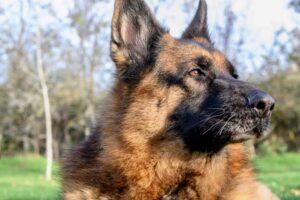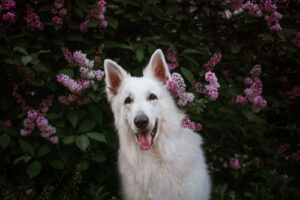

Few breeds command as much respect as the German Shepherd.
Recognized for intelligence, loyalty, and working ability, the German Shepherd has served as:
- Police K9 units
- Military dogs
- Service animals
- Search and rescue dogs
- Family guardians
But beyond their reputation for strength and protection lies a deeply loyal, emotionally complex breed that thrives on structure and purpose.
Understanding the German Shepherd temperament is essential before bringing one into your home.
Core German Shepherd Personality Traits
German Shepherds were originally bred for herding and protection work. That heritage still defines their behavior today.
Common temperament traits include:
✔ High intelligence
✔ Strong loyalty
✔ Natural protectiveness
✔ Confidence
✔ Trainability
✔ Work-driven mindset
They are not casual companion dogs — they are purpose-driven animals.
Are German Shepherds Good Family Dogs?
Yes — in the right environment.
German Shepherds can be:
- Gentle with children
- Highly protective of family members
- Deeply bonded to owners
- Extremely obedient when trained
However, they require:
- Consistent leadership
- Structured daily routine
- Ongoing mental engagement
For a deeper understanding of how routine shapes behavior, read:
👉 The Modern Dog Routine: How Structure Shapes Behavior
(Modern Dog Living – The Modern Dog Routine article)
Even highly intelligent breeds require predictable structure.
Intelligence and Working Drive
German Shepherds consistently rank among the most intelligent dog breeds.
Their intelligence means they:
- Learn commands quickly
- Anticipate patterns
- Detect emotional changes
- Require mental stimulation
Without outlets, intelligence can turn into:
- Destructive behavior
- Reactivity
- Obsessive tendencies
- Frustration barking
For enrichment ideas that support high-drive breeds, see:
👉 Mental Stimulation for High-Energy Dogs (Beyond Walks)
Mental fatigue helps stabilize working breeds.
Protective Instinct vs Aggression
Many people confuse protectiveness with aggression.
A well-bred, well-trained German Shepherd should be:
- Confident, not fearful
- Alert, not reactive
- Protective, not unstable
Aggression often stems from:
- Poor socialization
- Inconsistent training
- Fear-based experiences
- Lack of structure
Early exposure and reinforcement training prevent instability.
Socialization: Critical for German Shepherds
Socialization is not optional for this breed.
Early and structured exposure should include:
- Different environments
- Controlled introductions
- Various surfaces
- Loud noises
- Children and guests
Confidence grows through calm exposure.
For family integration strategies, read:
👉 Raising a Confident Family Dog in a Busy Household
(Modern Dog Living – Family Dog article)
German Shepherd Energy Levels
German Shepherds are high-energy, high-drive dogs.
They require:
- Daily structured exercise
- Mental training sessions
- Purpose-driven activity
Simply letting them run in a yard is not enough.
Apartment owners must be even more intentional.
👉 Apartment Living With Active Dogs: What Actually Works
(Modern Dog Living – Apartment Living article)
Space matters less than structure.
Preventing Behavioral Problems
Without structure, German Shepherds may develop:
- Excessive barking
- Separation stress
- Destructive chewing
- Over-protectiveness
- Hyper-vigilance
Prevention begins early.
Read:
👉 Preventing Destructive Behavior Before It Starts
Clarity prevents chaos.
Trainability and Reinforcement
German Shepherds excel with:
- Clear commands
- Short, focused training sessions
- Reward-based systems
- Consistency
Harsh, inconsistent correction damages trust in intelligent breeds.
For reinforcement principles:
👉 Positive Reinforcement in Real Life (Not Just in Theory)
Precision builds reliability.
Emotional Sensitivity
Despite their powerful appearance, German Shepherds are emotionally sensitive.
They:
- Bond deeply
- Respond to tone
- Mirror stress
- Thrive in calm environments
Unstable households create unstable behavior.
Calm leadership builds confident dogs.
Lifespan and Long-Term Commitment
German Shepherds typically live 9–13 years.
Long-term wellness depends on:
- Joint health management
- Healthy weight
- Structured exercise
- Mental stimulation throughout life
This is a breed that needs involvement — not passive ownership.
Final Thoughts
The German Shepherd temperament combines:
- Intelligence
- Loyalty
- Protectiveness
- Emotional depth
- Trainability
But these traits flourish only when supported by:
✔ Structure
✔ Consistent leadership
✔ Mental engagement
✔ Calm reinforcement
✔ Proper socialization
A well-raised German Shepherd is not just a guardian.
It is a loyal, balanced, and deeply devoted companion.
🐾 Navigation Footer – The German Shepherd Breed
German Shepherd Guides
- German Shepherd Temperament Guide
- German Shepherd Puppy Care Guide
- German Shepherd Training Basics
- German Shepherd Health & Joint Care Guide
Lifestyle & Behavior Resources
- The Modern Dog Routine
- Mental Stimulation for High-Energy Dogs
- Positive Reinforcement in Real Life
- Apartment Living With Active Dogs
- Preventing Destructive Behavior
- Raising a Confident Family Dog
Broader Dog Education
© 2026 The German Shepherd Breed
Supporting responsible German Shepherd ownership through structured education.